
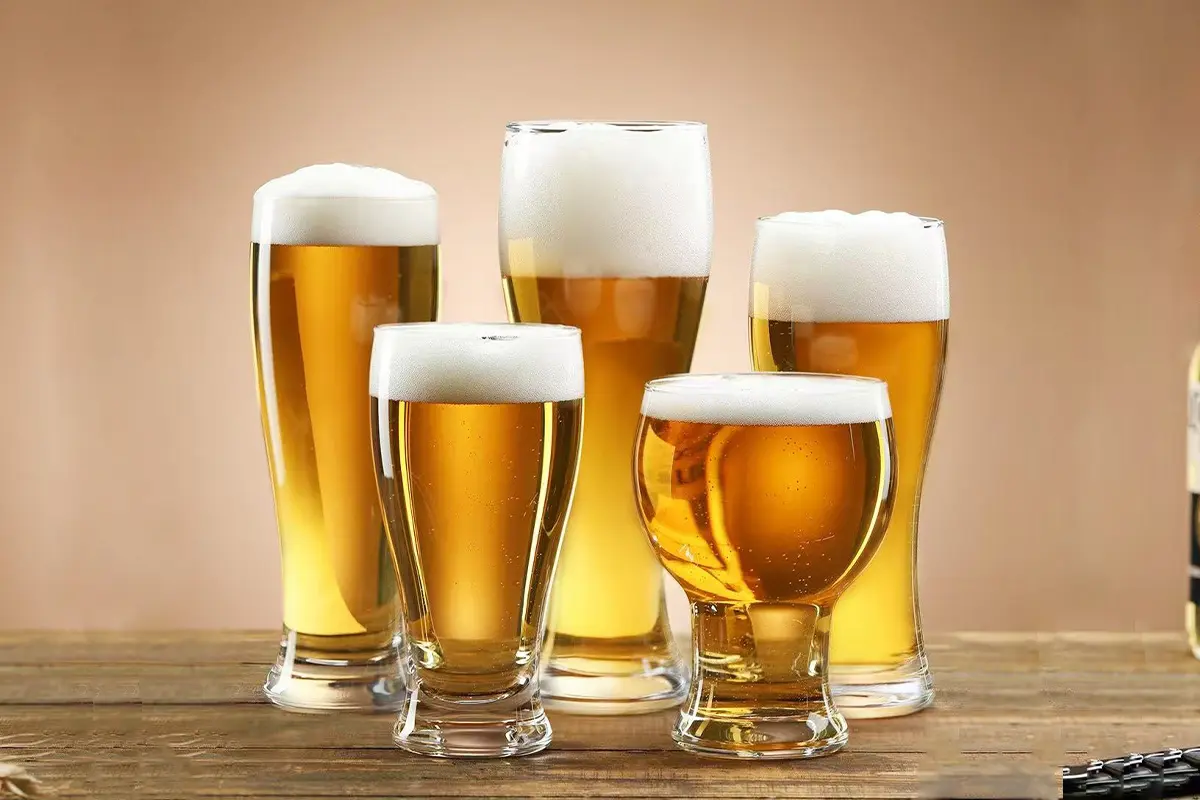
How to Choose Beer Glasses for Breweries, Bars, and Importers

The best beer glass is not always the most decorative one. For breweries, bars, restaurants, and importers, the right choice depends on how the glass will be used: daily draft service, taproom tasting, retail sales, brand promotion, or import distribution.
A brewery taproom may need glasses that show beer color and foam clearly. A busy bar may prefer practical shapes that are easy to serve, replace, and store. An importer may need a balanced range of beer glass types that can meet different market demands.
This guide compares common beer glass types by serving scenario, beer style, capacity, and commercial practicality, so buyers can choose options that fit both the drink and the business setting.
Start With the Serving Scenario
Before choosing a specific beer glass type, it is better to define where and how the glass will be used. Different buyers often have different priorities.
|
Buyer / Use Case |
What to Prioritize |
Recommended Direction |
|---|---|---|
|
Brewery taprooms |
Brand presentation, beer style, tasting experience |
Pint glasses, pilsner glasses, tulip glasses, tasting glasses |
|
Bars & restaurants |
Service efficiency, broad usability, easy replacement |
Pint glasses, beer mugs, stackable beer glasses |
|
Importers & distributors |
Market coverage, stable styles, repeat supply |
Pint glasses, pilsner glasses, mugs, wheat beer glasses |
|
Retail or gift programs |
Appearance, perceived value, packaging potential |
Decorated beer glasses, beer mugs, premium shapes |
|
Beer tasting events |
Small servings, beer flights, easy comparison |
Tasting glasses |
This first step helps buyers avoid choosing only by appearance. A glass that looks attractive in photos may not always be the best option for daily bar service, export distribution, or repeat wholesale beer glass orders.
For B2B buyers, the right beer glass should fit the sales channel first. After that, the buyer can compare shape, capacity, material, and decoration options more clearly.
Choose Beer Glass Types Based on Beer Style and Use
Different beer glass types are designed for different serving needs. Some are highly versatile, while others are better for specific beer styles or higher-end presentation.
Pint Glasses
Pint glasses are usually the safest starting point for breweries, bars, restaurants, and importers. They are practical, familiar, and suitable for many beer styles, including lager, ale, IPA, and draft beer.
For bars and restaurants, pint glasses work well because they are easy for staff to serve and customers to recognize. For breweries, they are often used as taproom glasses or branded merchandise. For importers, pint glasses are useful because they have broad market acceptance and can fit different customer groups.
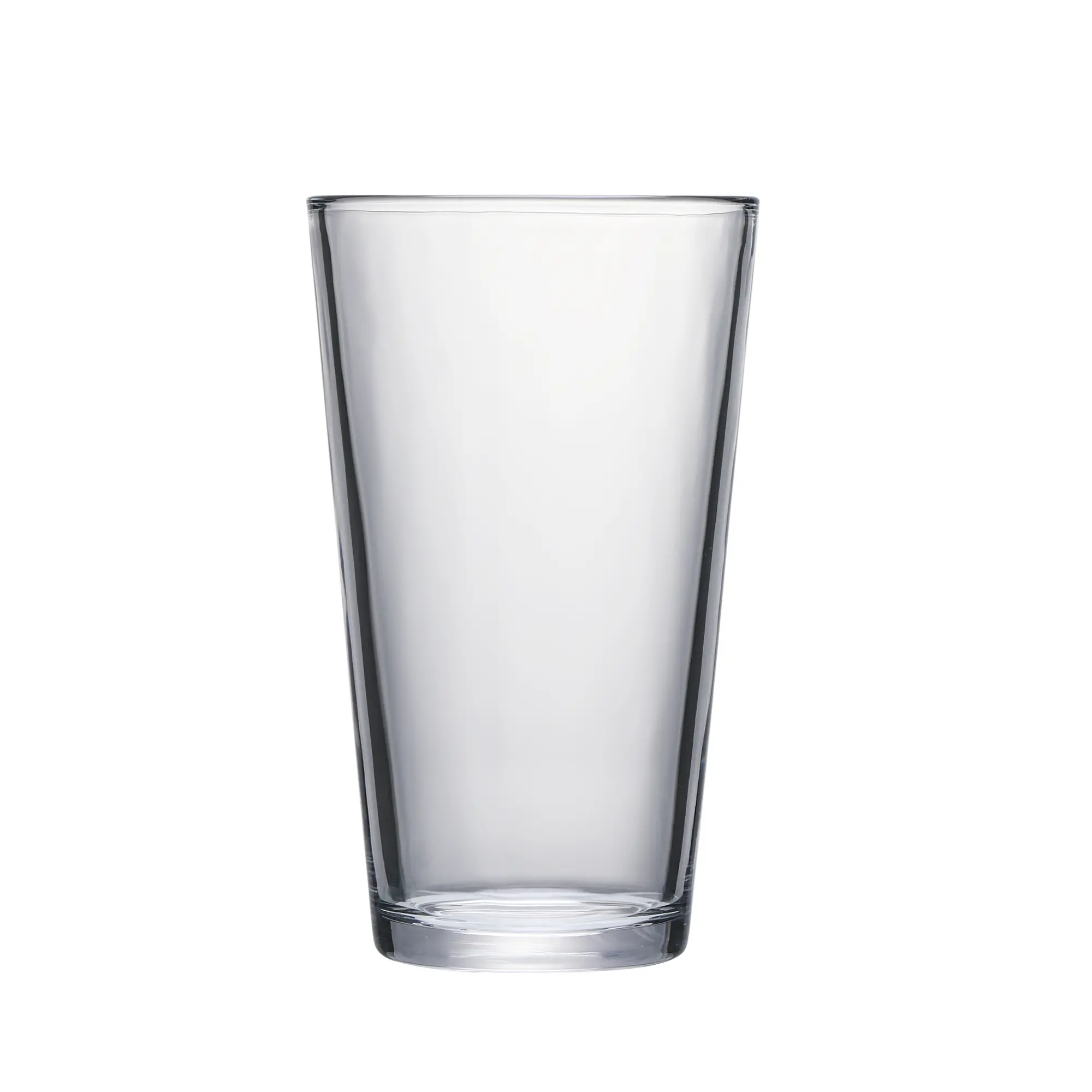
Pint glasses are also convenient for logo decoration because many styles have enough printable surface area. When choosing pint glasses, buyers should check the capacity, rim thickness, base stability, and whether the shape feels comfortable in hand.
If the buyer needs one practical beer glass type for broad commercial use, pint glasses are often the most flexible choice.
Pilsner Glasses
Pilsner glasses are usually taller and narrower than pint glasses. Their shape helps show beer clarity, bubbles, and foam, making them suitable for lager, pilsner, and draft beer service.
For breweries and bars that want a cleaner and more refined beer presentation, pilsner glasses can be a better choice than standard pint glasses. They help the beer look bright and fresh on the table or bar counter, especially for clear golden beer styles.
For importers, pilsner glasses can be a useful addition to a beer glass range because the product purpose is easy to explain. They are not as universal as pint glasses, but they provide a more specific visual value.
When choosing pilsner glasses, buyers should consider height, base stability, rim quality, and packing efficiency. Tall glasses may look elegant, but they also need suitable storage and stronger export packing.
Beer Mugs
Beer mugs are suitable for large servings, casual beer service, pubs, beer gardens, restaurants, festivals, and promotional events. The handle makes the glass easier to hold, especially when the capacity is large.
Compared with pint or pilsner glasses, beer mugs usually feel heavier and more solid. This makes them a good choice when buyers want a stronger hand feel, a traditional beer image, or a more relaxed drinking style.
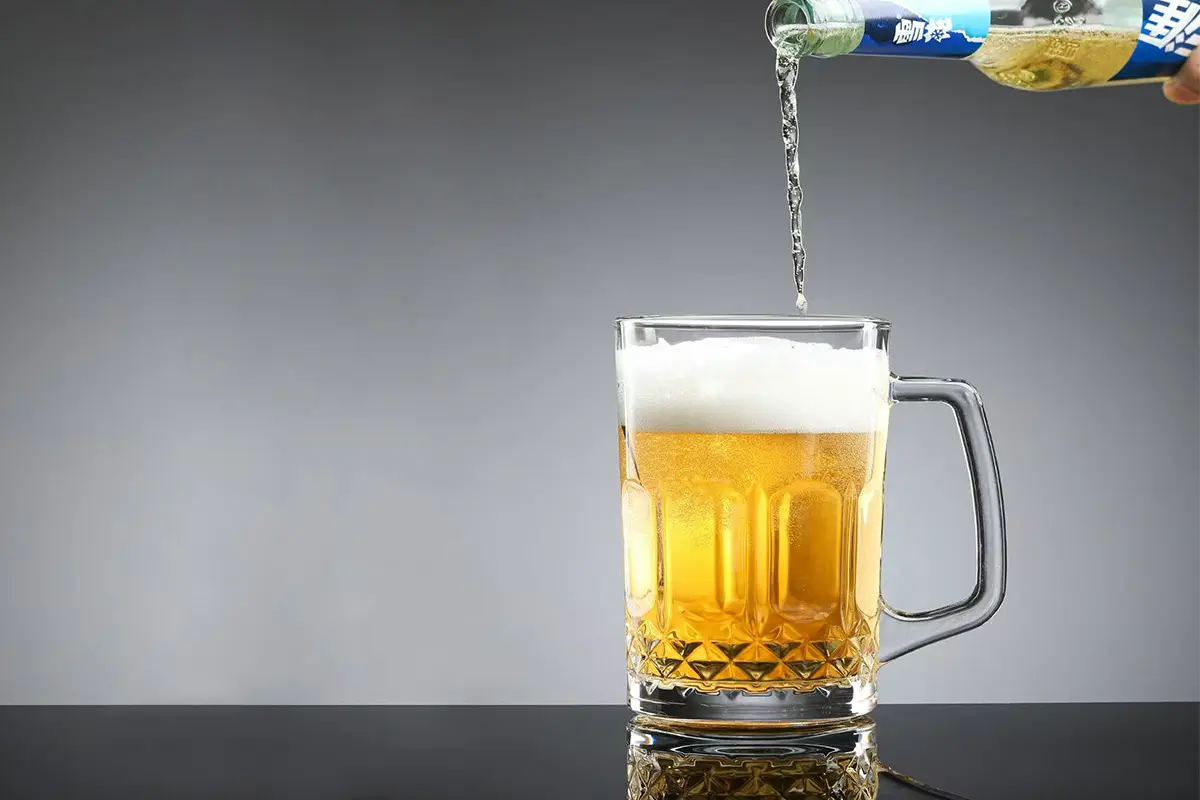
For bars and restaurants, beer mugs can support casual dining and large-format beer service. For breweries, they can work well for events, seasonal promotions, or branded merchandise. For importers, beer mugs may be attractive in markets where customers prefer heavier glassware and strong visual presence.
However, mugs are usually heavier and take more space in cartons. Buyers should check the handle strength, glass weight, carton structure, and shipping cost before confirming a bulk order.
Wheat Beer Glasses
Wheat beer glasses are more specific than standard pint glasses. They usually have a tall body and a wider upper section, which helps present the foam and appearance of wheat beer.
This type of glass is suitable for breweries, beer bars, and importers that serve or sell wheat beer, craft beer, or specialty beer styles. It gives the drink a more recognizable presentation and can make the beer service feel more intentional.
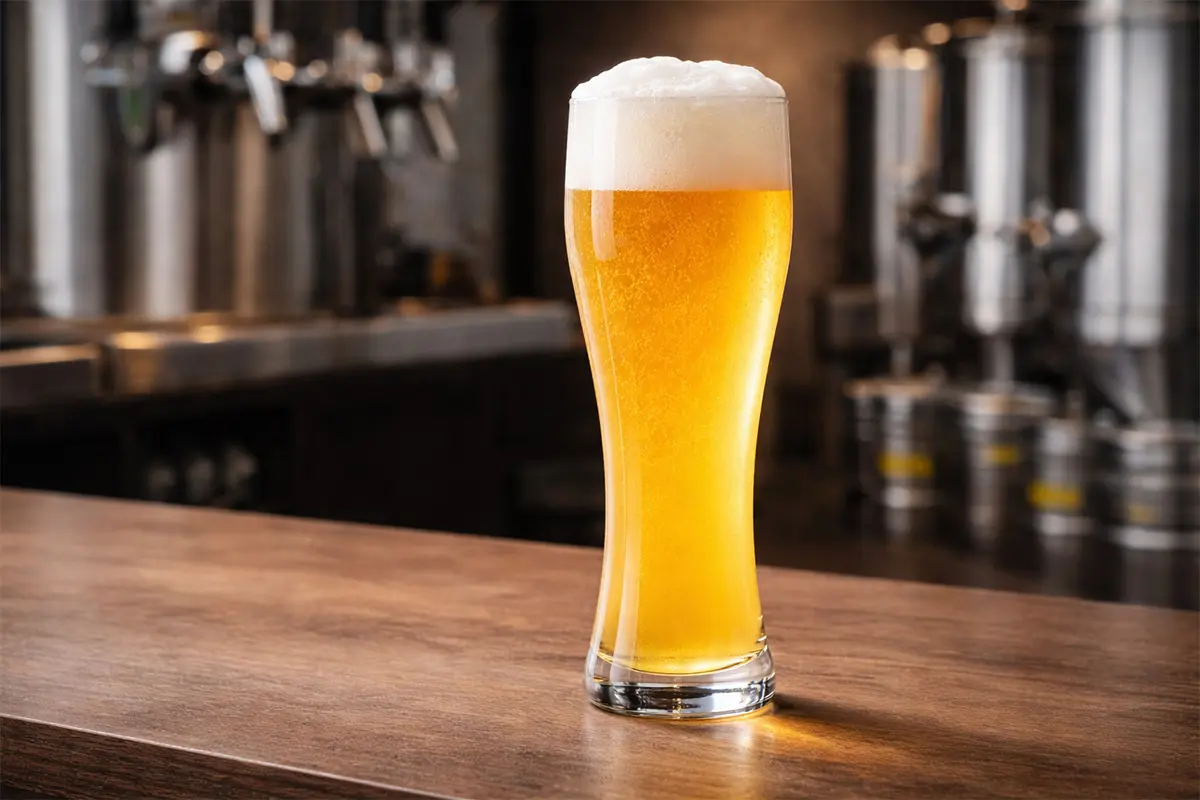
For breweries with wheat beer or specialty beer in their product line, this glass type can improve taproom presentation. For importers, wheat beer glasses can help complete a more professional beer glass collection.
However, wheat beer glasses are not as versatile as pint glasses. Buyers should choose them when there is clear market demand or when the product range needs a more specialized beer glass option.
Tulip Beer Glasses
Tulip beer glasses are often used for craft beer, stronger beer styles, and premium beer service. Their curved bowl and narrower rim help concentrate aroma and support foam presentation.
This type of glass is suitable for craft breweries, tasting rooms, specialty beer bars, and higher-end beer programs. It creates a more refined drinking experience than standard bar glassware and can make the beer feel more premium.
Tulip glasses are not always the first choice for high-volume daily service because they are more style-specific. However, they are valuable when the buyer wants to highlight craft beer, specialty beer, or a more premium brand image.
When choosing tulip beer glasses, buyers should check bowl shape, rim smoothness, stem or base stability, and overall balance. The glass should look refined but still feel practical enough for the intended serving environment.
Tasting Glasses
Tasting glasses are designed for small servings, beer flights, sampling events, and brewery tasting rooms. They allow customers to compare different beer styles without using full-size servings.
For breweries, tasting glasses are useful for taproom flights, product launches, and guided tastings. For beer events, they help control serving volume and make sampling easier. For importers or distributors, tasting glasses can also be sold as part of beer flight sets or promotional glassware programs.
When choosing tasting glasses, buyers should confirm the capacity, base stability, and whether the size works with tasting trays if needed. If logo decoration is required, the printable area should also be checked because smaller glasses may have limited space.
Tasting glasses are not usually the main glass type for daily beer service, but they are very useful when the buyer needs controlled servings or a more complete beer presentation system.
Choose Capacity Based on Serving Style
Capacity should match the serving style and target market. A beer glass may have the right shape, but if the capacity does not fit the buyer’s serving habit or sales channel, it may not work well in practice.
|
Capacity Range |
Common Use |
|---|---|
|
150–250 ml |
Beer tasting, sampling, beer flights |
|
300–400 ml |
Specialty beer, smaller servings, premium beer service |
|
470 ml / 16 oz |
Standard pint service, breweries, bars, restaurants |
|
500–570 ml |
Larger beer service, British pint style, import markets |
|
600 ml and above |
Beer mugs, beer gardens, events, large serving formats |
Capacity affects serving size, price positioning, carton size, and shipping weight. Buyers should also confirm whether the listed capacity means full capacity or recommended serving capacity, as beer service usually needs space for foam.
This is especially important for pilsner glasses, wheat beer glasses, and beer mugs, where foam presentation is part of the serving experience.
Check Practical Details for Commercial Use
After choosing the general beer glass type and capacity, buyers should check several practical details. These details may seem small, but they can affect daily use, customer satisfaction, and repeat orders.
- Rim Smoothness
The rim should feel comfortable when drinking. For beer glasses used in bars, restaurants, and taprooms, a smooth rim improves the drinking experience and makes the glass feel more reliable.
- Base Stability
A stable base is important for busy commercial environments. Tall glasses, such as pilsner and wheat beer glasses, should be checked carefully because they need enough balance on tables, counters, and trays.
- Hand Feel
The glass should feel comfortable to hold. Pint glasses should not feel too slippery, beer mugs should have a comfortable handle, and tasting glasses should be easy to pick up during flights or events.
- Storage and Handling
Bars and restaurants often care about storage space and service efficiency. Some glass shapes are easier to stack or store than others. Very tall, wide, or heavy glasses may require more storage planning.
- Logo Area
For breweries, beer brands, and promotional projects, the glass should have a suitable area for logo decoration. A flatter or gently curved surface is usually easier for printing than a highly shaped or narrow area.
- Glass Weight
Weight affects both user experience and shipping cost. A heavier glass may feel more solid, but it also increases carton weight and freight cost. For importers and distributors, this should be considered before confirming large-volume orders.
These practical details help buyers choose beer glasses that not only look good, but also work well in real commercial use.
Final Tip for Wholesale and Custom Beer Glass Orders
For wholesale or custom beer glass projects, buyers should first confirm the right glass type and capacity before discussing logo decoration, packaging, MOQ, and lead time.
Once the shape and usage are clear, the rest of the project becomes easier to plan. For example, a brewery may start with pint glasses and tasting glasses for taproom use, while an importer may build a mixed range with pint glasses, pilsner glasses, beer mugs, and specialty beer glasses.
A good supplier should be able to help buyers compare available mold options, confirm practical dimensions, and recommend suitable beer glass types based on the target market and use case.
Need Beer Glasses for Wholesale or Custom Logo Projects?
Everlucent supplies beer glasses for breweries, bars, restaurants, importers, and distributors, with options for logo decoration, custom packaging, and bulk orders.


