
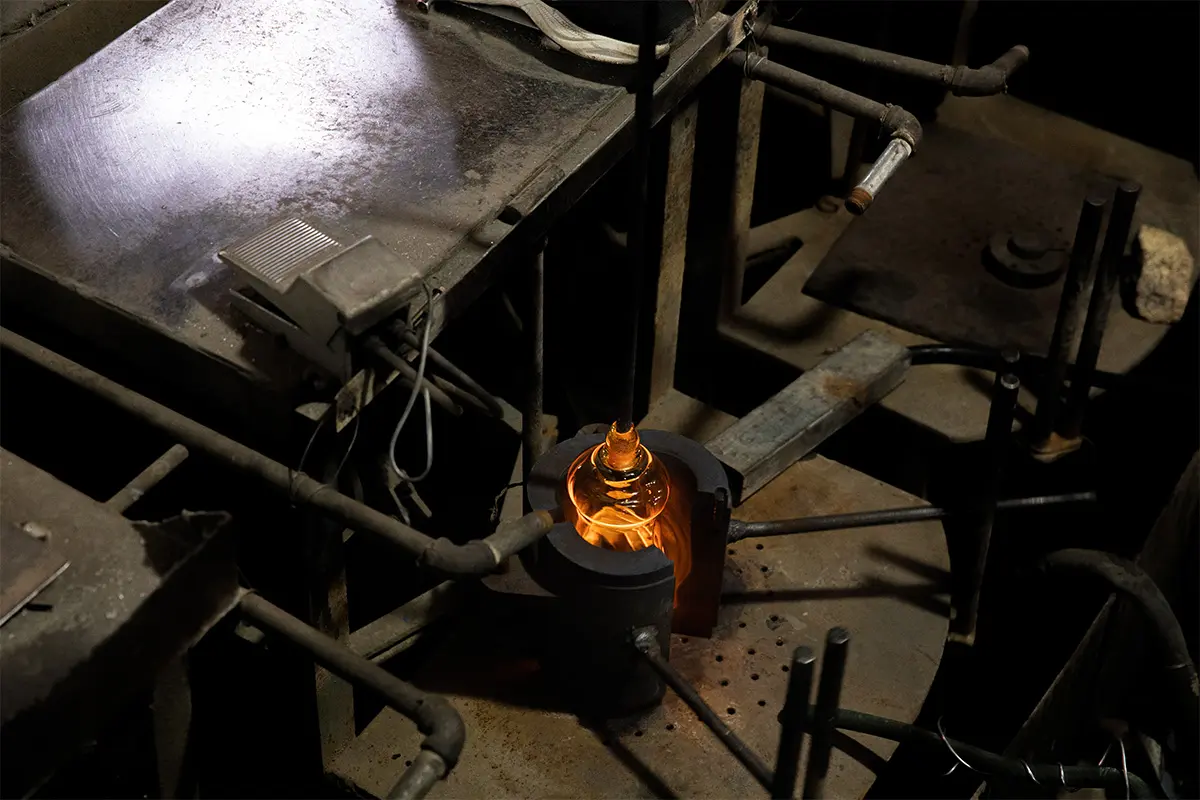
Do I Need a New Glassware Mold? Existing Mold vs Custom Mold Explained

Many B2B buyers want to create their own exclusive glassware designs but are unsure whether developing a new mold is necessary.
In some cases, existing glass shapes combined with custom logo decoration, colors, surface finishing, or packaging can already create a differentiated product. However, when the glass shape itself becomes an important part of the product value, a new glassware mold may be required.
This guide explains when a custom glass mold is worth considering and how buyers can decide between using an existing mold and developing a new design.
Quick Answer: Do You Need a New Glassware Mold?
|
Project Situation |
Recommended Approach |
|---|---|
|
Only need logo, color, decoration, or packaging customization |
Use an existing mold |
|
A similar glass shape can meet your requirements |
Start with an existing design |
|
The glass shape itself is unique and important to your brand |
Develop a custom mold |
|
The design requires special textures, patterns, or molded details |
Develop a custom mold |
|
The product needs a completely exclusive appearance |
Consider a new glassware mold |
The key question is not whether your project is customized.
The real question is whether the glass shape itself creates enough product value to justify developing a new mold.
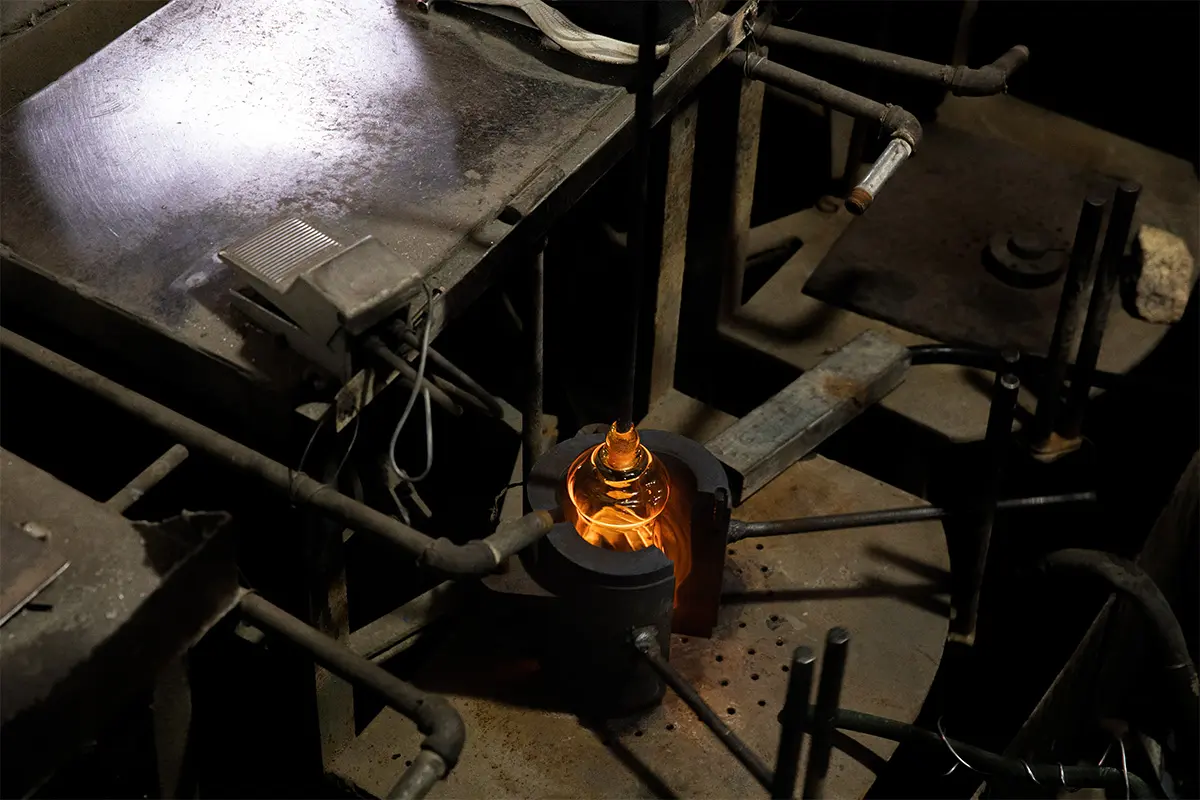
What Glassware Designs Usually Need a New Mold?
Special Glass Shape or Structure
A new mold is usually required when your design cannot be achieved with existing glass shapes.
This often applies to products with:
- Unique cup silhouettes
- Special body curves
- Different rim proportions
- Custom base structures
- Exclusive stem or handle designs
For example, a brand may want a whiskey glass with a completely different profile from standard market products. In this case, adding a logo to an existing glass cannot create the same product identity.
If the main difference is only branding or decoration, an existing mold may be a more practical choice. But if the shape itself is part of your brand recognition, a custom mold becomes necessary.
Specific Size or Capacity Requirements
Some projects require precise dimensions that cannot be achieved with existing molds.
A new mold may be needed when the glass must meet specific requirements such as:
- Exact capacity
- Special height or diameter
- Packaging compatibility
- Matching accessories or lids
- Consistent proportions across a product series
For example, a beverage brand may need multiple glass styles with the same visual proportions, or a hospitality project may require glasses that fit existing service systems.
When standard molds cannot meet these requirements, custom mold development is usually the solution.
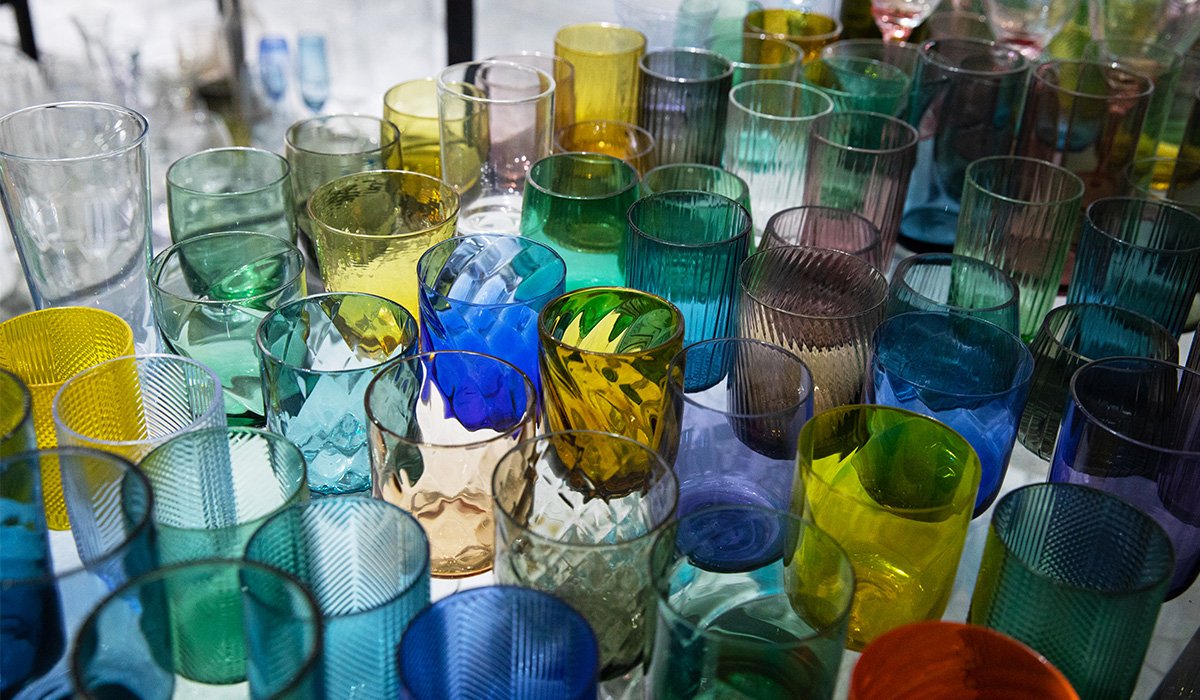
Patterns, Textures, or Embossed Details
If the design depends on molded surface effects, a new mold is often required.
Typical examples include:
- Vertical line textures
- Diamond patterns
- Vintage-style glass textures
- Embossed logos
- Heavy-base decorative designs
These details are created during the forming process, meaning the mold directly determines the final appearance.
While printing, engraving, or other decoration methods can add branding elements, they cannot fully replace structural patterns created by a mold.
For glassware where texture or three-dimensional details are a key selling point, a custom mold is often the better choice.
How Production Method Affects Mold Development
The production method also affects whether developing a new glassware mold is practical.
Hand-blown glassware usually provides more flexibility for unique shapes and smaller custom projects, making it suitable for premium designs, artistic products, and limited collections. Machine-blown glassware focuses on consistency and efficient large-scale production, so custom molds are usually considered when there is stable demand and sufficient order volume. Pressed glassware is often selected for designs with strong textures, embossed details, or heavy-base structures, where the mold directly determines the final appearance.
Therefore, before developing a new mold, buyers should consider not only the design itself but also which production method can achieve the desired result efficiently.
Final Recommendation
A new glassware mold is not necessary for every custom project.
For brands that want to launch quickly or test a new product concept, using an existing glass shape with customized decoration and packaging is often the most efficient approach.
However, when unique shape, precise dimensions, molded textures, or exclusive design identity are essential, developing a custom glassware mold can help create a stronger and more differentiated product.
Before starting a new mold project, buyers should first confirm whether the value of the product comes from the glass shape itself or from other customization methods.
Need Help Evaluating Your Custom Glassware Design?
Send us your reference images, drawings, target dimensions, capacity, and customization requirements. Our team can help evaluate whether your project is better suited for an existing mold or a custom glassware mold.


