
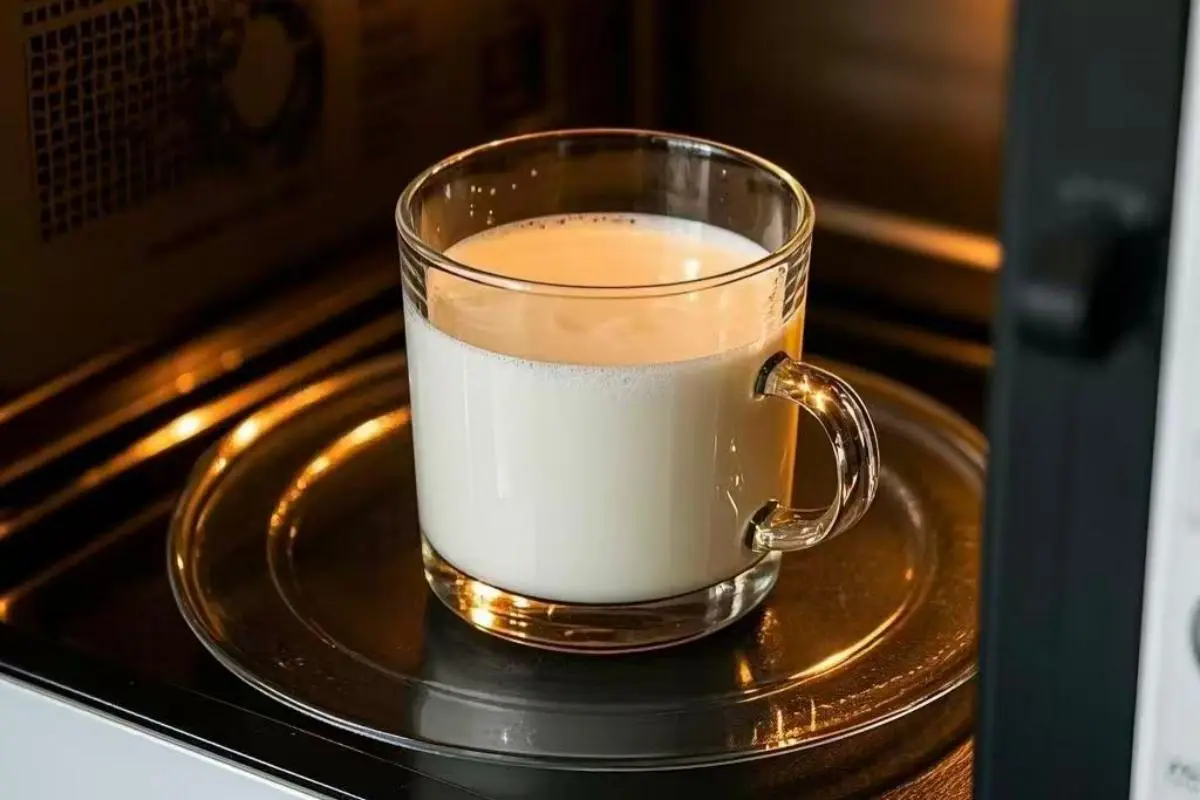
Not all glass cups are microwave safe.
Check the label first—if it says “microwave safe”, follow the manufacturer’s instruction.
If there is no label, you can judge by material:
If you are unsure how to distinguish materials, you can refer to our borosilicate vs soda-lime glass guide.
The key is not just the glass type itself, but its ability to withstand thermal shock.
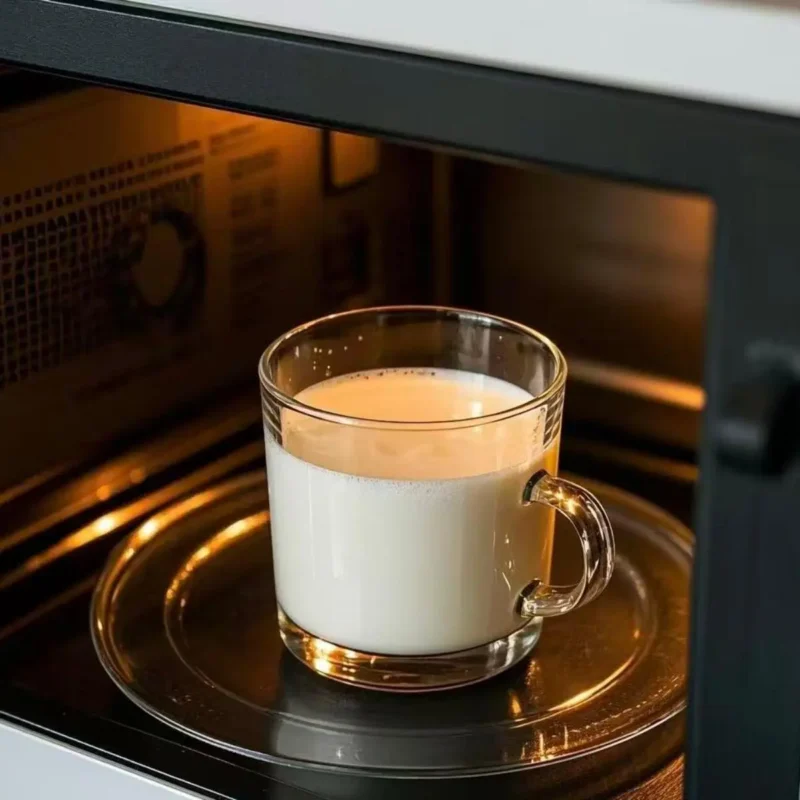
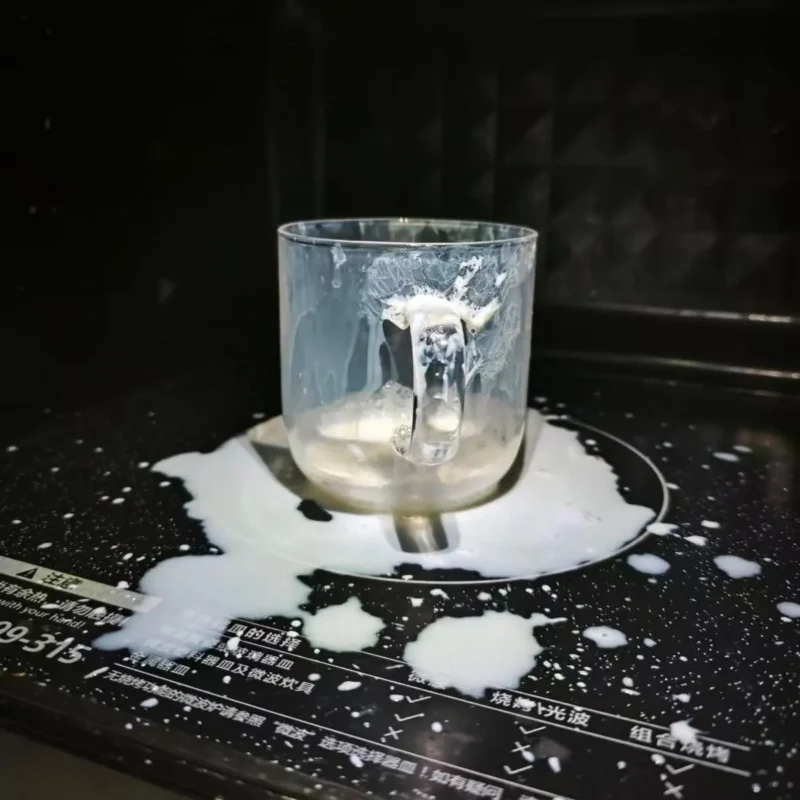
Microwaves heat liquids and food by exciting water molecules, which often leads to uneven heating inside the container.
When a glass cup is exposed to rapid or uneven temperature changes, the material expands at different rates. This creates internal stress, known as thermal shock, which can cause cracking or even sudden breakage.
Not all glass is designed for high-temperature or rapid heating conditions. The performance depends on material composition and production process.
Borosilicate glass contains boron oxide, which improves its thermal shock resistance and allows it to withstand rapid temperature changes.
Because of this property, it is suitable for microwave use and commonly used in heat-resistant drinkware such as coffee cups, laboratory glassware, and double-wall mugs.
Advantages:
Soda-lime glass is widely used for everyday drinkware and mass production.
Thicker, higher-quality pieces may tolerate short microwave heating, but it is not suitable for frequent or long heating cycles due to lower thermal shock resistance compared to borosilicate glass.
Extra caution is needed when heating cold liquids (e.g. iced milk), as rapid temperature changes increase the risk of cracking.
Key characteristics:
Tempered glass is strengthened through a thermal or chemical treatment process, improving its mechanical strength.
However, it is important to understand that:
Therefore, tempered glass is not automatically microwave-safe.
For brands and importers developing custom glass cups, microwave safety is not only about material choice—it is also about product design and manufacturing control.
Key factors include:
In most cases, standard promotional glass cups are made from soda-lime glass unless heat resistance is specifically required during product development.
If you are developing microwave-safe glass cups or custom heat-resistant drinkware, material selection and testing are essential before mass production.
We support OEM & ODM glassware development with material recommendation, sample testing, and production validation based on your target market and usage scenario.


