
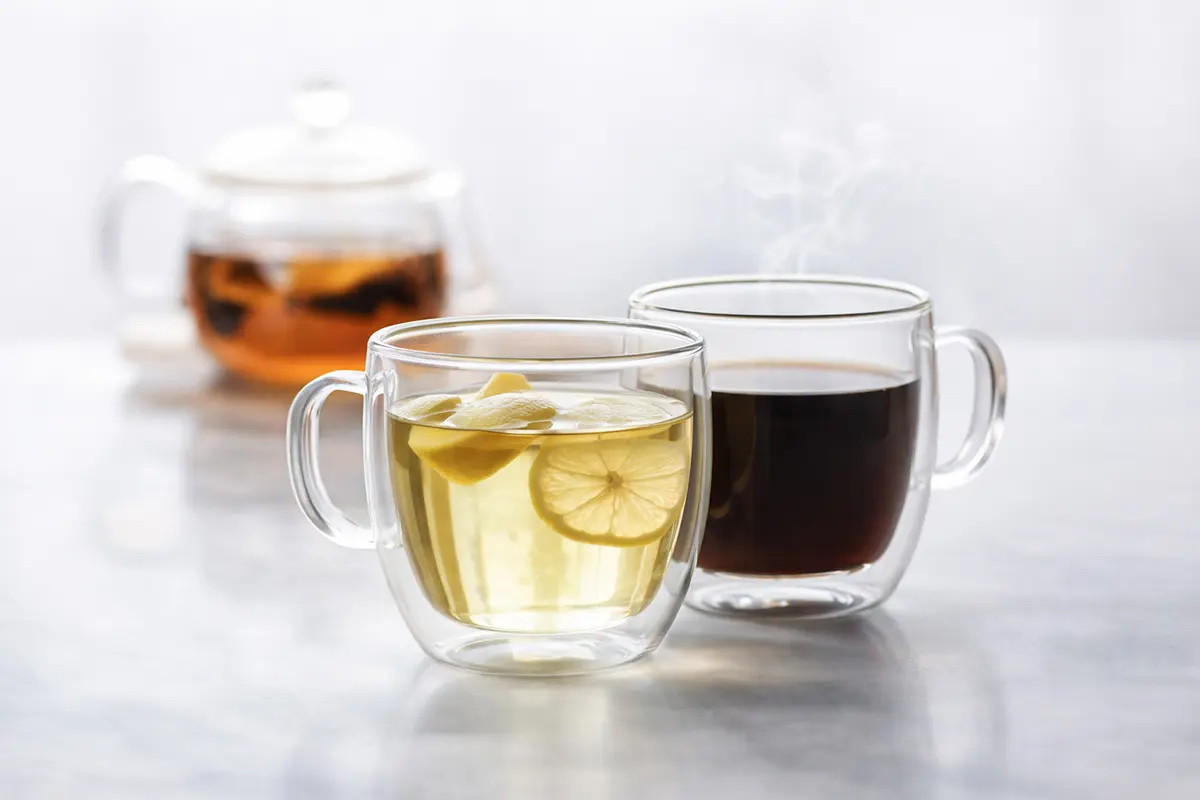
Borosilicate vs Soda-Lime Glass: Which Is Better & Safer?(Commercial Buyer’s Guide)

When comparing borosilicate glass vs soda-lime glass, most people want to know one simple thing: Which one is safer for hot drinks, and which one will last longer without cracking?
Whether you are a consumer buying an everyday coffee mug or a commercial buyer sourcing wholesale drinkware for a restaurant, café, or retail brand, understanding this material difference is the key to preventing glass breakage and controlling costs.
Quick Answer for Buyers
If you are short on time, here is the direct comparison:
Borosilicate glass contains boron oxide, giving it superior thermal shock resistance. It can handle sudden temperature changes (like pouring boiling water into an icy glass) without cracking. It is lighter, premium, and the safest choice for hot coffee, tea, and double-wall glasses.
Soda-lime glass is the most common, traditional glass used worldwide. It is heavier, thicker, and highly cost-effective. While excellent for everyday cold drinks, high-volume bars, and bulk promotional orders, it is vulnerable to thermal shock and can crack under sudden boiling water stress.
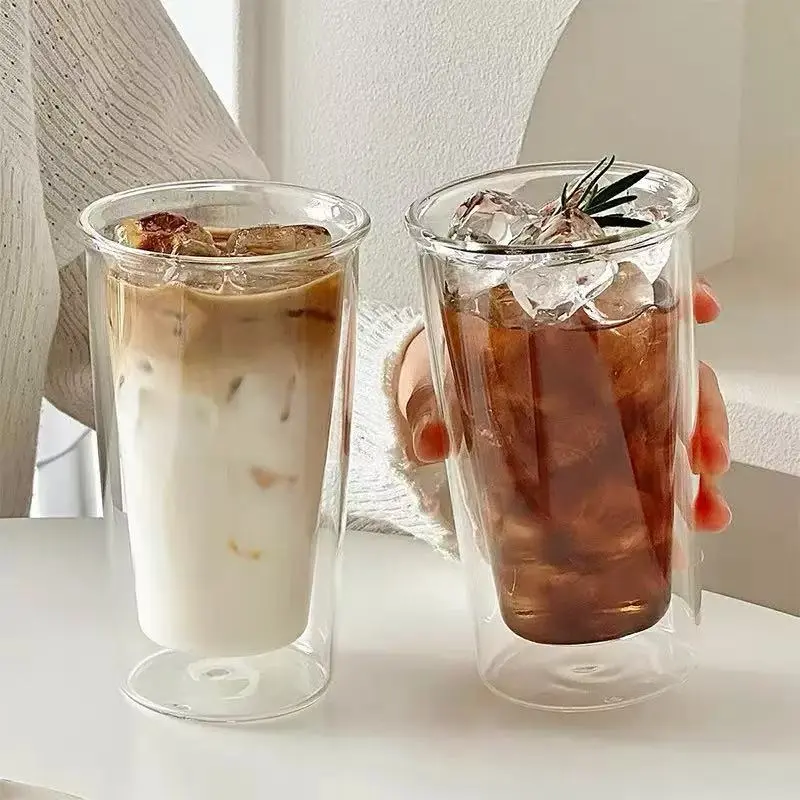
High-borosilicate glasses
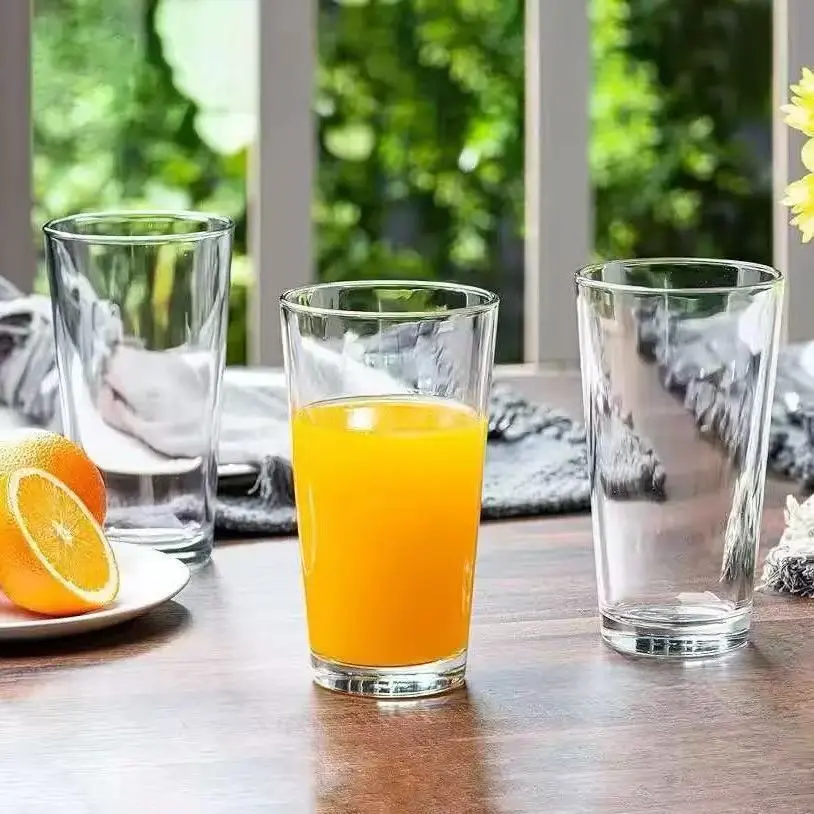
Soda-lime glasses
How to Tell Borosilicate Glass from Soda-Lime Glass
One of the most frequent questions buyers ask is how to verify the material they are holding. Because both materials can look identical, clear, and perfectly finished, use these two practical field methods:
1. Compare the Weight and Wall Profile (The Hand Test)
Weight is your immediate clue. Borosilicate glass has a lower density, meaning it can be crafted into much thinner, lighter, and more delicate modern designs. If you pick up a glass and it feels surprisingly lightweight (especially true for double-wall coffee cups and artisan tea mugs), it is likely borosilicate. Conversely, soda-lime glass is naturally heavier and thicker to compensate for its mechanical vulnerabilities. It gives you that substantial, hefty feel found in classic restaurant beer pints or heavy-base rocks glasses.
2. Check the Supplier Documentation & Labeling
True heat-resistant glassware will explicitly state "Borosilicate Glass" or "High-Borosilicate" on the packaging. For high-volume commercial sourcing, don't rely on sight alone. Professional manufacturers should instantly provide technical datasheets referencing international benchmarks like ISO 3585 (for linear thermal expansion properties) and food-contact certificates (FDA/LFGB compliance reports).
Thermal Shock Performance: The Science of Hot Drinks
For hot drinkware programs—such as specialty cafés, tea brands, and busy hotels—thermal shock resistance matters far more than the maximum temperature a glass can handle.
Both materials can hold hot water if heated up gradually. However, real life involves sudden temperature jumps—like moving a glass directly from a hot commercial rinse cycle to a cold beverage fill, or pouring boiling tea into a glass stored in a cold room.
Why Borosilicate Glass Excels
Borosilicate glass has a very low linear coefficient of thermal expansion, typically around 3.25 × 10⁻⁶ K⁻¹ between 20°C and 300°C, as documented by industry standards like SCHOTT BOROFLOAT® 33).
Because it expands and contracts minimally when exposed to extreme temperature deltas, it creates virtually no internal structural stress. This makes it safe up to 400–500°C under normal usage and immune to sudden thermal shattering.
When Soda-Lime Glass Works
Soda-lime glass handles normal hot drink service perfectly well if the glass is engineered with thick walls to distribute heat evenly (like traditional heavy diner mugs) and is not exposed to flash temperature changes. Its limitation is a much higher thermal expansion rate, meaning it safely handles lower temperature deltas (approx. 100–150°C) before internal stress risks a crack.
High-volume bars, casual dining, and promotional drinkware buyers often choose soda-lime glass for cost efficiency, especially in large-scale procurement programs where everyday water glasses and tumblers are required.
Which Material Fits Your Business?
Experienced B2B procurement managers select glassware based on the physical service environment and daily handling workflows.
1. Best Commercial Uses for Borosilicate Glass
Specialty Coffee & Tea: Pour-overs, espresso shots, and artisan blooming tea presentations.
Double-Wall Glassware: Insulated designs that keep drinks hot while remaining cool to the touch.
Fast-Paced Cafés: Where glassware moves rapidly from hot commercial wash stations back to cold beverage assembly.
Premium Branding: E-commerce retail brands or high-end hospitality venues where a sleek, lightweight, crystal-clear hand feel reinforces a luxury identity.
2. Best Commercial Uses for Soda-Lime Glass
High-Volume Bars & Casual Dining: Everyday water glasses, beer pints, and highball cocktail tumblers.
Ice-First Workflows: Where ice cubes are heavily dumped into the glass before liquid components.
High-Speed Bussing: Operations where glasses are handled roughly, cleared in bulk, or stacked tightly.
Mass Procurement: Hotel banquets, massive catered events, and global promotional merchandise where keeping unit costs and replenishment budgets low is the primary strategy.
Operational Durability: Chipping vs. Clouding
In a commercial hospitality or retail feedback loop, glassware failures generally fall into two categories:
Impact Durability (Drops and Knocks)
In fast-paced commercial service, physical impact causes more breakage than thermal shock. Mechanical durability depends heavily on rim thickness, base mass, and stackability design—not just glass chemistry. This is why a well-designed, heavy-rimmed soda-lime tumbler often outlasts a thin, design-focused borosilicate cup in high-impact environments.
Dishwasher Clouding & Etching
A common myth is that one glass type clouds faster than the other in industrial dishwashers. In reality, cloudy, hazy, or etched glassware is almost always operational, caused by unmanaged water hardness, excessive detergent concentration, or improperly dosed rinse aids. Both materials hold up exceptionally well to industrial wash cycles when the machine parameters are correctly calibrated.
Summary Sourcing Matrix for B2B Buyers
|
Sourcing Goal |
Better Choice |
Why? |
|---|---|---|
|
Hot beverage service |
Borosilicate |
More reliable for tea, coffee, hot water, and hot-to-cold workflows. |
|
Double-wall glassware |
Borosilicate |
Offers a lighter hand feel and works well for insulated glass designs. |
|
Restaurant and bar tumblers |
Soda-lime |
Cost-effective, widely used, and practical for high-volume daily service. |
|
Promotional glassware |
Soda-lime |
Easier to control unit cost, replacement cost, and large-scale supply. |
Final Thoughts
In summary, borosilicate glass is generally the better choice for heat resistance and thermal shock, while soda-lime glass offers a more cost-effective solution for large-scale commercial drinkware applications.
At Everlucent Glassware, we assist B2B buyers in selecting the correct glass composition, wall thicknesses, and rim designs to match specific operational requirements. We provide certified material purity, custom logo integration, and drop-test approved packaging configurations to safeguard your inventory from production to final delivery.
Contact our international sourcing team to discuss your project specifications, request technical datasheets, or arrange for production-grade factory samples.
FAQ: Borosilicate vs Soda-Lime Glass for Commercial Use
No. Borosilicate excels at thermal shock resistance, while soda-lime often performs better in impact-heavy service environments.
Both perform well with correct water chemistry, detergent dosing, and rinse control.
Lower cost, familiar shapes, easy sourcing, and predictable replacement cycles.
Yes—when hot beverages, presentation, or thermal stability are core requirements.


